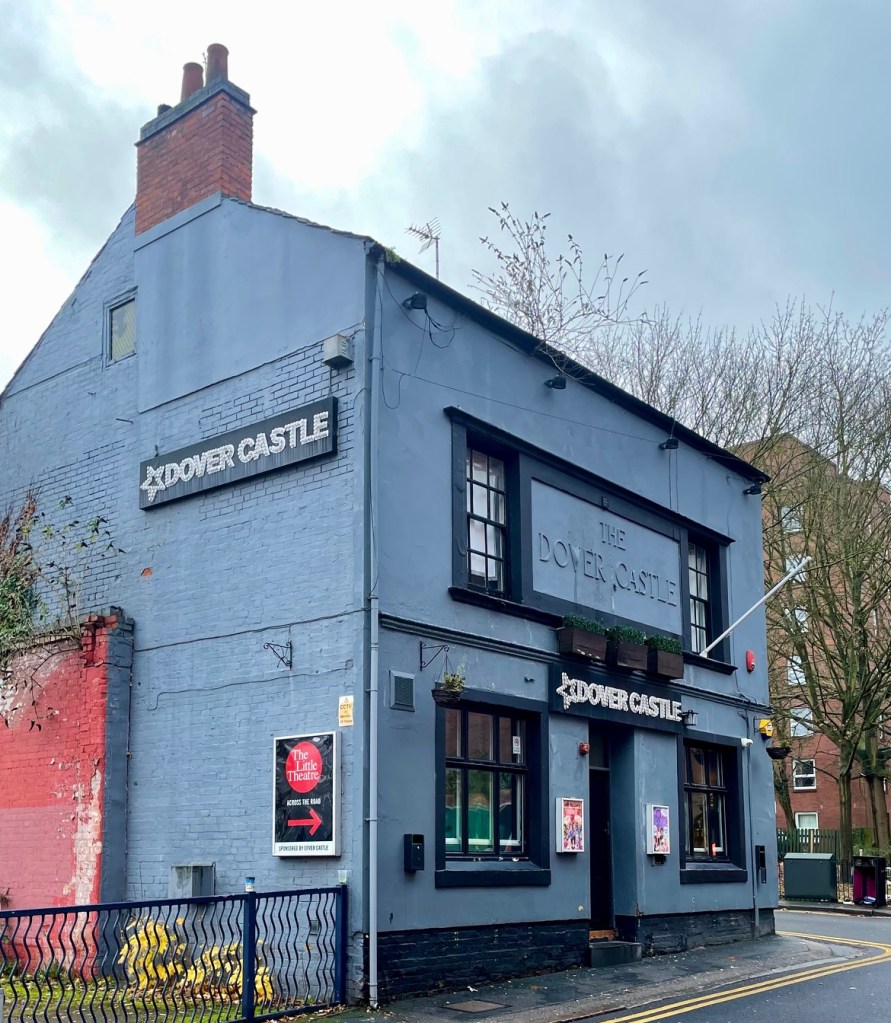
1) Dover Castle – 34 Dover Street, LE1 6PW We begin our LGBTQ Walking Tour of Leicester at one of the oldest surviving gay venues in the UK. It was a meeting place for queer people prior to 1967 alongside other long-gone venues such as Simon’s Bar and Eclipse. It is now managed by Indigo Pubs & Bars Ltd who also run Helsinki and Rainbow & Dove.
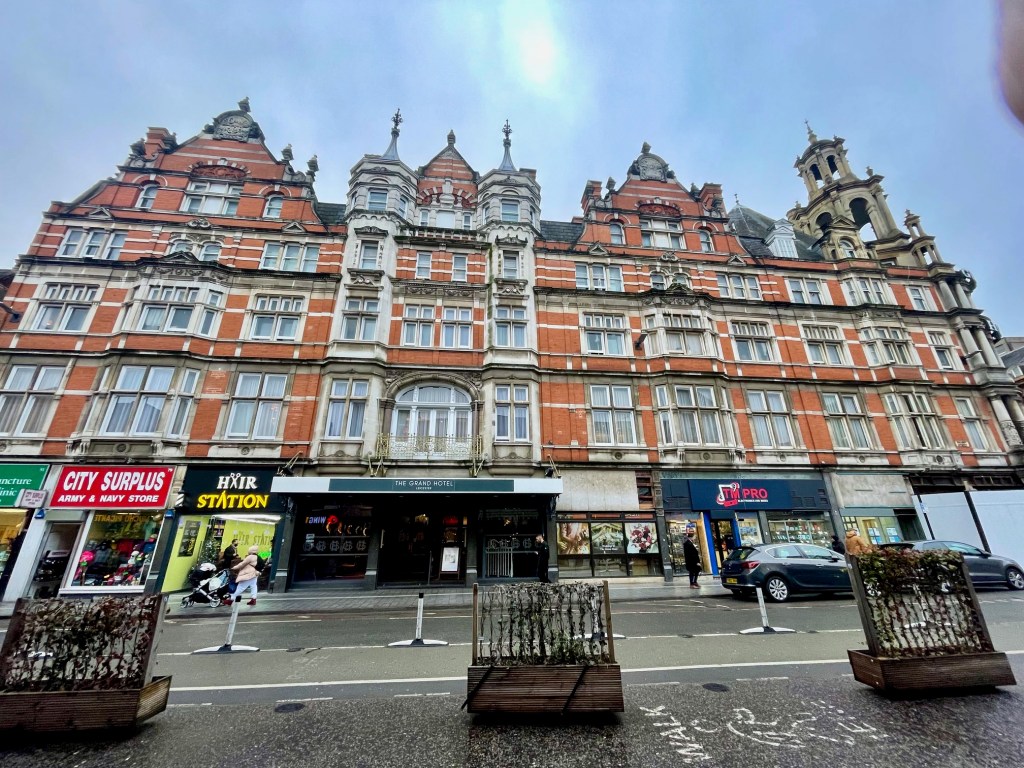
2) Simon’s Bar, The Grand Hotel, Granby Place LE1 6ES In the 1950s & 60s The Basement Bar of the Grand Hotel (now the Mercure) on Granby St served as one of three locations for Simon’s Bar. Simon’s Bar was a nickname for three establishments serving as underground, informal meeting spaces for gay men & lesbians prior to 1967. Hotel bars were the perfect place to offer safety and respite for those marginalised by the harsh laws as they were often very transient places that offered anonymity to those who needed it. The other two establishment included the Bell Hotel on Humberstone Gate and the Fountain Inn on Cheapside.
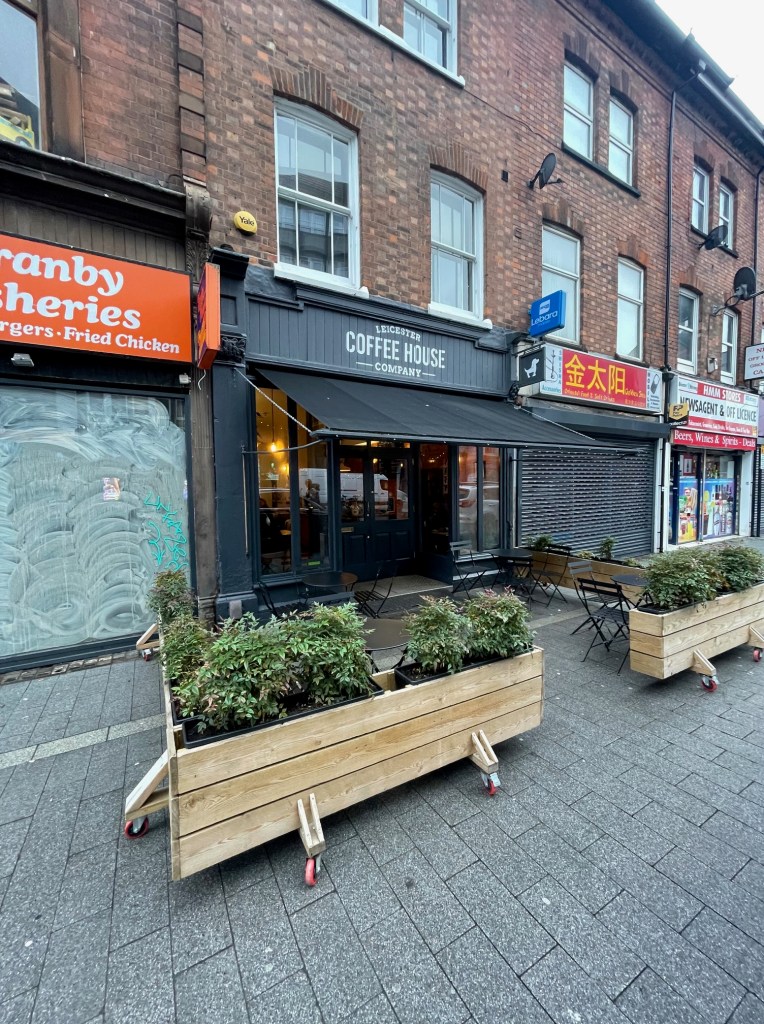
3) Bossa, 110 Granby St, LE1 1DL In the late 90s, Bossa was a small gay cafe bar on Granby Street. Due to its proximity to the station, it attracted a busy, mixed crowd, particularly following the collapse of Streetlife & Quebec. Owned by two disgruntled former employees of Indigo Pubs & Bars, it underwent a full renovation before closing its doors for the final time in 2018.
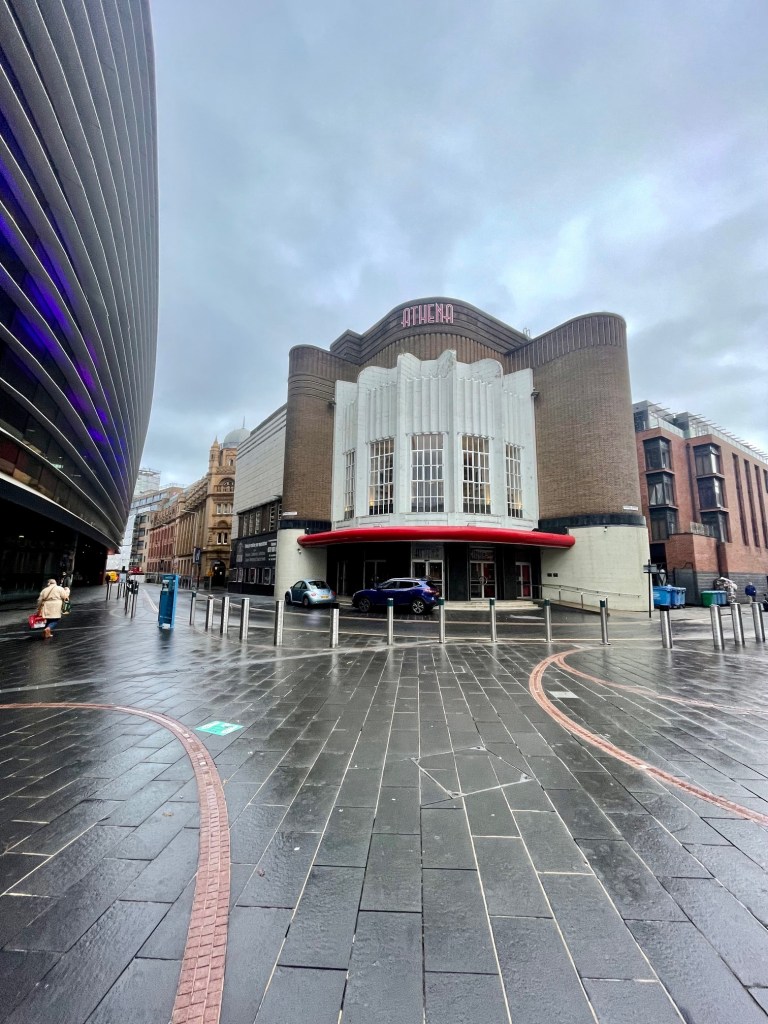
5) The Curve LE1 1SB / Links to Joe Orton The Curve Theatre is an interesting venue in its own right. The spectacular building (brain-child of architect Rafael Vinoly) officially opened in 2008 by HM The Queen following a two year building project. It helped rejuvenate disused and abandoned buildings and is now considered to be the flagship regeneration project of the Cultural Quarter. The venue has hosted many large-scale tours/productions, as well as many LGBTQ plays including “My Beautiful Launderette” (2019), “Rent” (2017) “Gypsy Queen” (2018), “Riot Act” (2022) and “Is He Musical” (2022).
Joe Orton (a Leicester-born playwright) was born in 1933. He participated in amateur dramatics with LADS (see point 15) before moving to London to study at RADA. There he met Kenneth Halliwell and the two became lovers. Orton found success in 1959, writing for the BBC but was brutally bludgeoned to death by an increasingly jealous Halliwell in 1967. Orton recounted in his diary how he lost his virginity to a man in the toilets of the Odeon cinema (now Athena events venue) on Queen Street (opposite the Curve).

6) Helsinki, 94 Rutland Street, LE1 1SB this club opened in 1983 & many of the city’s top DJs played there including internationally renowned Lisa Lashes. Housed in the former old Herbert Marshall music shop, it retained the original shop sign for many years (though sadly covered up now) & catered for an alternative crowd. Closing for a period in the 90s, it reopened as a gay venue with a major refit in 2010 & a late-night license. It continues to be lively on the LGBTQ scene.
7) StreetLife, 24 Dryden St, LE1 3QE This was once Leicester’s oldest running gay nightclub. Entering into a bar during the earlier part of the evening, the doors to its second larger room, with a shop front façade housing a bar, opened later. The punters were shepherded into the main room with the former room becoming a chill out bar. Though it started life as a popular gay venue, it became a more general nightclub. In its heyday, the ultimate destination for a gay night out played a big part in gay pride events prior to closing permanently in 2011, blaming its location further out of the city centre for its financial difficulties.
8) The Old Black Swan 169 Belgrave Gate, LE1 3HSSimilar to The Black Boy, The Durham Ox and The Barley Mow Pub, the Old Black Swan identified as a gay-friendly pub in the 70s. It hosted gay nights and was a meeting place for LGBT people. East Mercia MSC, a leather, rubber, denim, construction & skin gear group founded in Leicester in 1982 used met here. The building is now used as a health clinic.
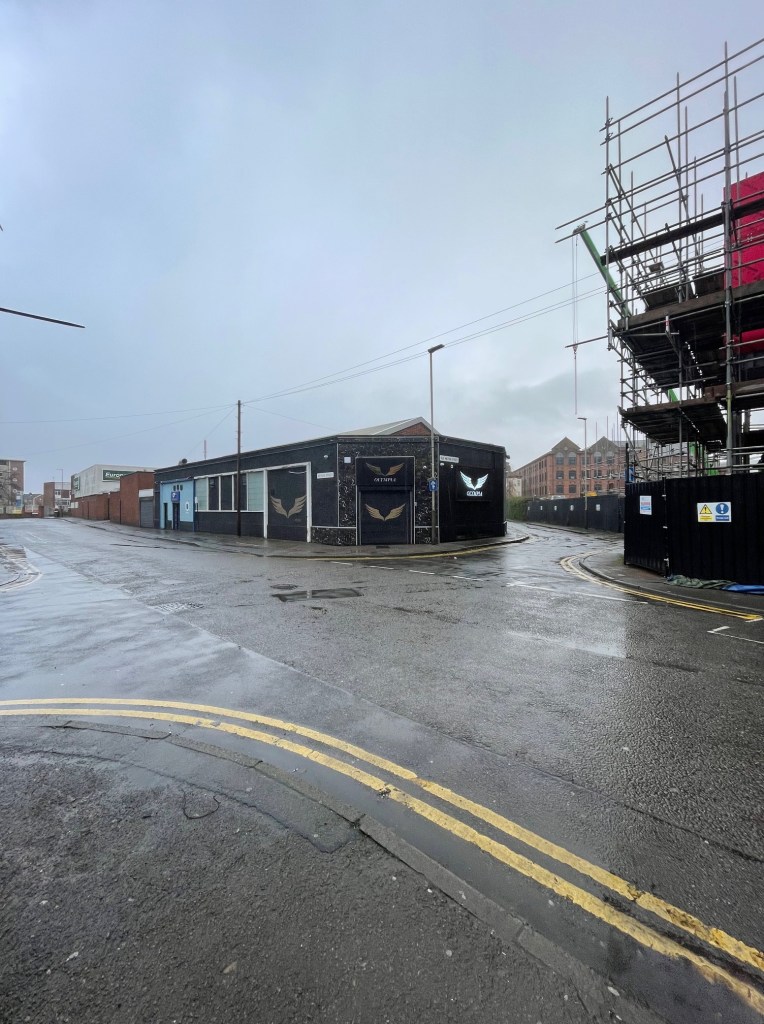
9) Quebec – 96 Belgrave Gate, LE1 3HT In its time, this large, popular nightclub; it opened as a gay venue and was a very popular providing DJs and occasional live acts. Opening in April 1999, it hosted specialist nights including “Rang,” a gay Asian night, “Intelekt,” a cyber-goth night, “Speed Garage,” for house enthusiasts and an indie night. It closed its doors in 2012, reopening as Venom.

10) Pineapple, 27 Burley’s Way, LE1 3BE This was another gay venue with a long historical past. It originated in 1838, brewing its own ale until the 1920s and was rebuilt in 1939. In the 90s it became one of the city’s main gay bars. In August 2001, it became the first exclusive gay hotel, changing its name to Monroe’s, though this name was shortlived and it became P2 (Pineapple 2) in 2002. During 2001, it met a storm of protest at the unveiling of a banner of two men kissing that was hung on the exterior wall. Sadly it closed and was boarded up in 2004.
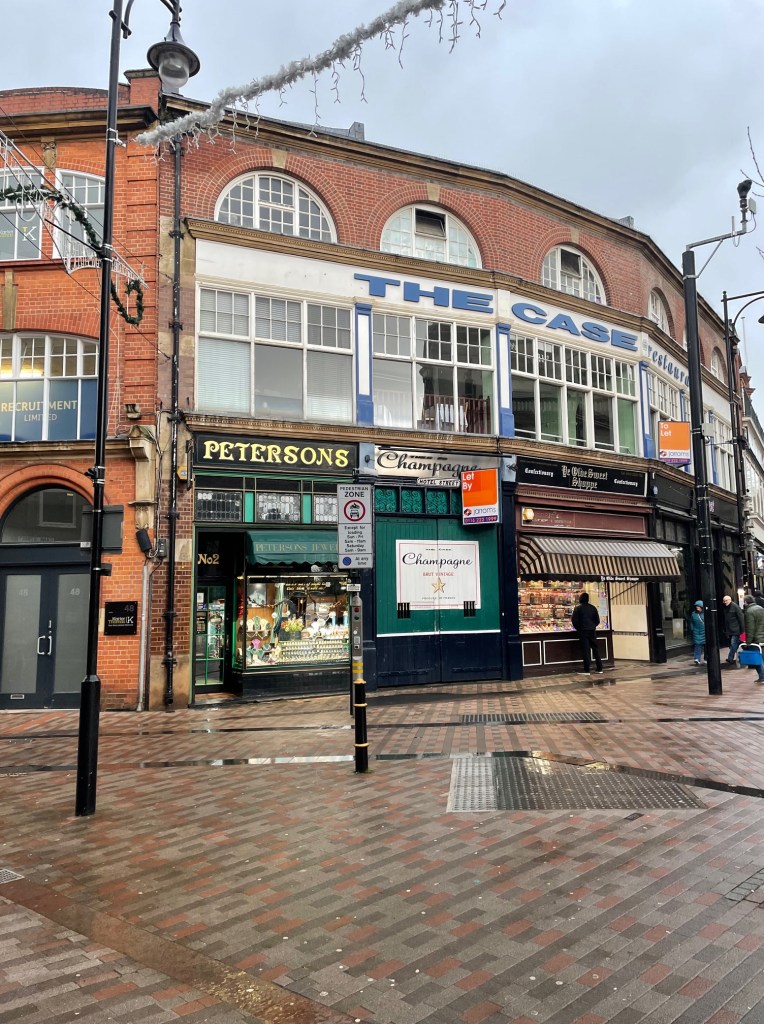
11) H. Morley Clarke – a former Tailors – 2 Hotel Street, LE1 5AW As we stop outside 2 Hotel Street, we learn out about H. Morley Clarke. Born in 1915, he was a tailor in Leicester from the 1930s to 1970s. During the day he made men’s suits, yet by night he crafted ball gowns for his homosexual friends. In 1940, he met Roland Spence who had a bookshop a few doors away from Morley’s shop. As Morley lived with his mother, the two couldn’t live together until she died in 1971; 22 years after they became a couple. Thanks to the incredible research by historian, Jo Somerset we know more about these people from our not-too-distant past, who led their lives in secrecy. We learn more of Morley’s story later in our journey.
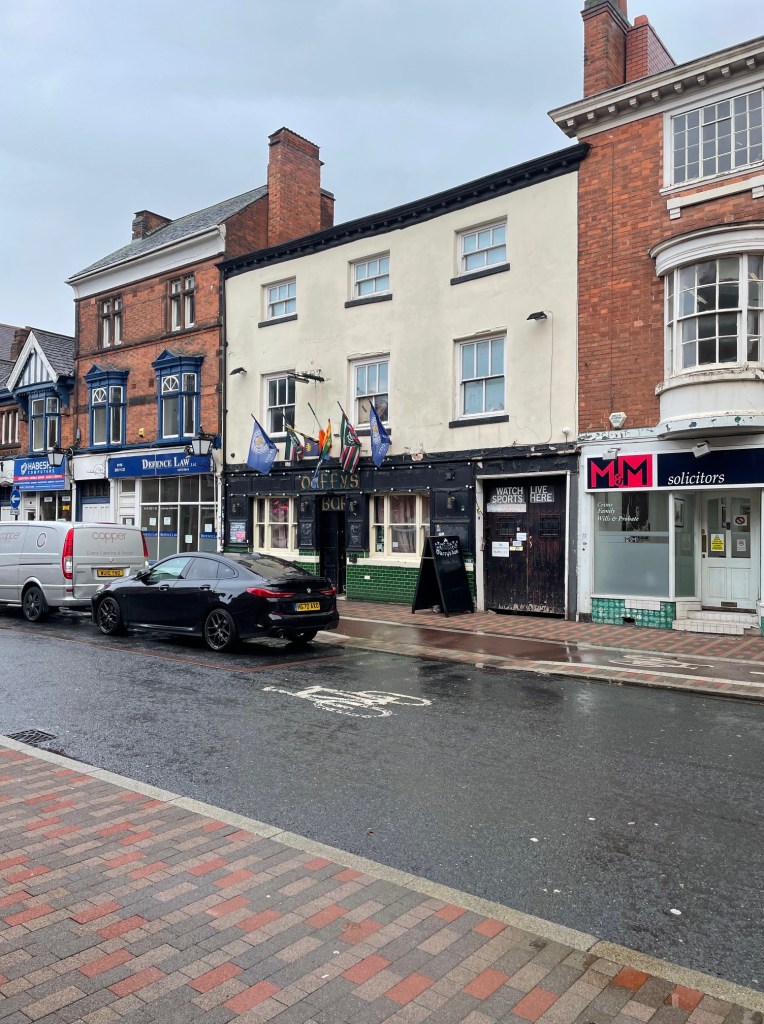
12 Magazine Bar / The Red Tent / Duffy’s Bar – 18 Pocklington’s Walk, LE1 6BUIn the mid-80s Magazine Bar, named after the Magazine Gateway an historic building built c1410, offered women’s nights. The Red Tent became Leicester’s main lesbian bar & was renamed Duffy’s Bar in 2013 (under the same management) identifying as “Leicester’s only traditional Irish Bar.”
13) LGBT Centre (incorporated into Voluntary Action Leicester) 9 Newarke Street Le1 5SN, Created in 1976 as a helpline to support the LGBT community, it was the 1st LGB group to receive public funding. It moved in 1985 to King Street and to Wellington Street in 1997, providing services including counselling, education and is a social space for all members of the LGBTQ community. https://www.leicesterlgbtcentre.org/
14) Trade Sexual Health, 27 Bowling Green Lane, LE1 6AS This charity, provides free, confidential health advice, information, services and support for LGBTQ communities of Leicester, Leicestershire & Rutland. They offer a range of services including information and support on sexual health and HIV; one-to-one emotional and practical support; support around sexuality, gender, relationships and ‘coming out’; rapid HIV testing; community based sexual health clinics; safer-sex packs; social and support groups; outreach services, and a fully qualified counselling service. https://www.tradesexualhealth.com/
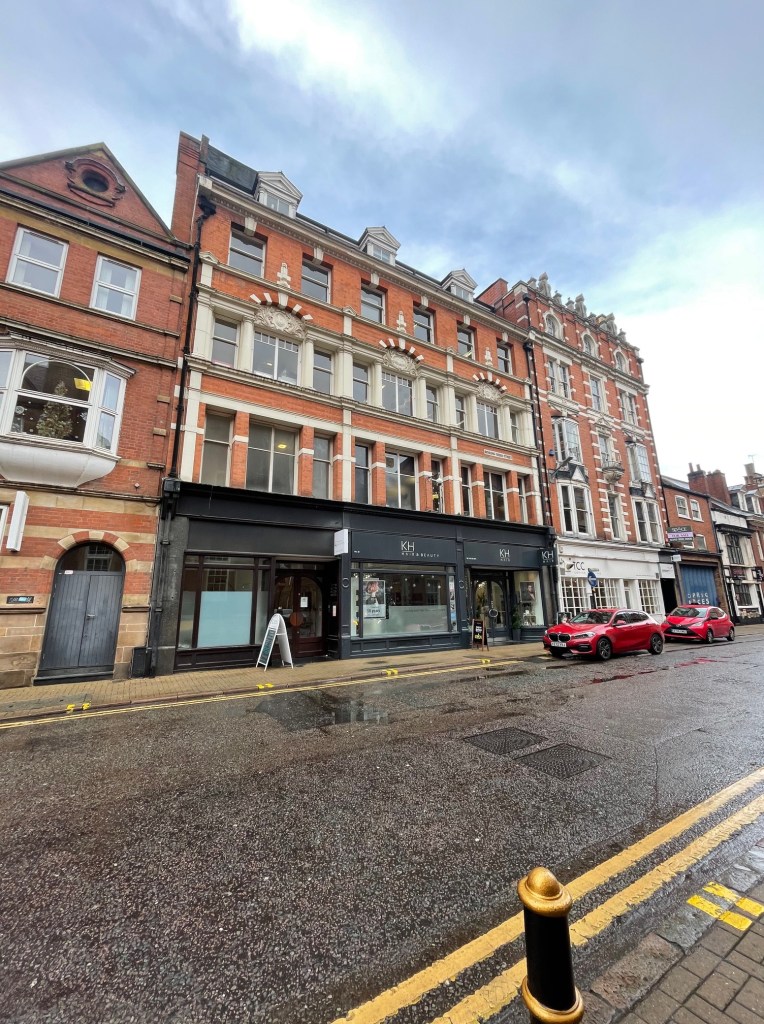
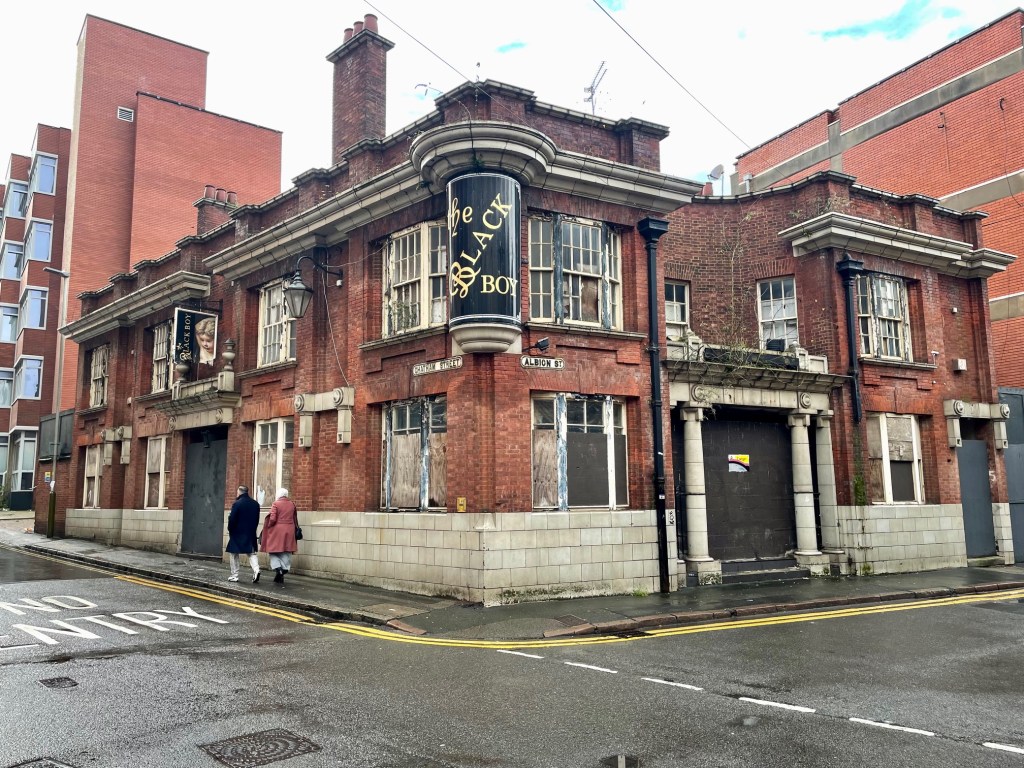
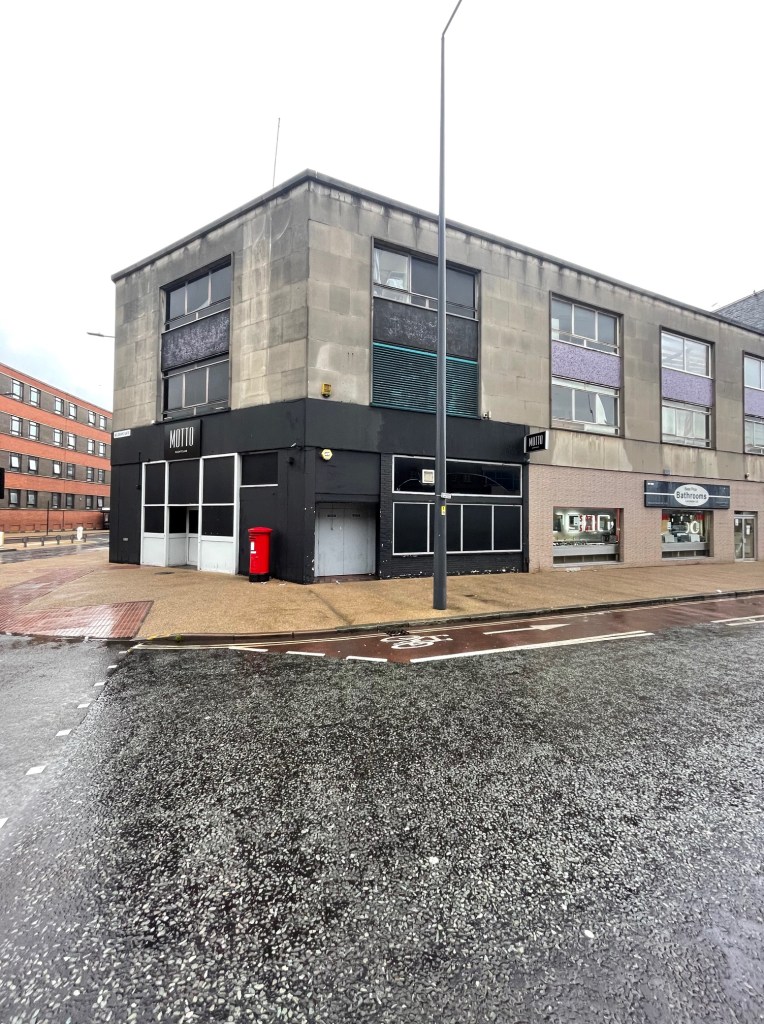
15 The Black Boy, 35 Albion Street, LE1 6GDOn the corner where Albion Street meets Chatham Street, a former pub, The Black Boy began hosting gay nights and established itself as a gay-friendly venue following the decriminalisation of homosexuality in the 1970s. The building is now derelict.
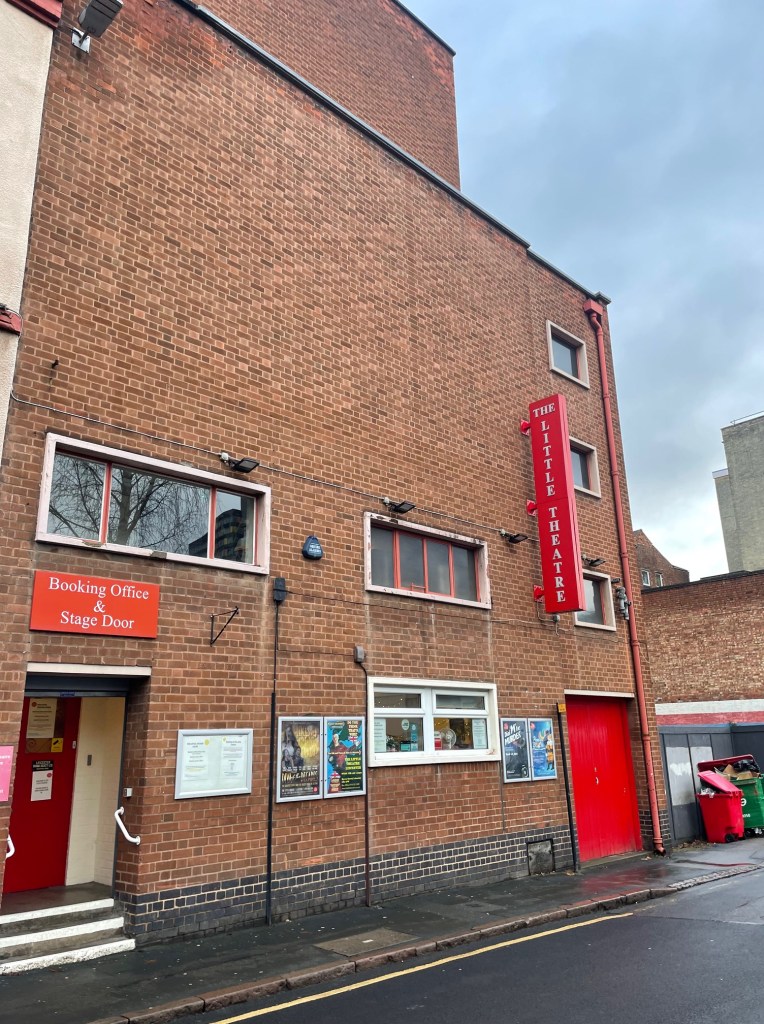
16) Little Theatre, Dover Street, LE1 6PW We finish our walk at The Little Theatre (opposite the Dover Castle) that has operated since 1930. Prior to this, it was Dover Street General Baptist Chapel, originally built in 1824. Its galleries were removed and a raked floor installed to accommodate the auditorium. Pictured here, before the foyer was added (following a fire in 1954).
Having introduced Morley Clarke and Roland Spence earlier on the walk, it was probably at the Little Theatre that they met and socialised through L.A.D.S. (Leicester Amateur Dramatic Society). They connected over their shared love of the theatre and briefly knew infamous playwright Joe Orton (mentioned earlier). The theatre provided a safe-haven for our protagonists. A photo from their time shows a group of men back stage relaxing, possibly after a performance.
Thanks to Jo, we learn that following the death of his mother, Morley and Roland finally got the chance to live together in their house in Narborough, living private lives and hosting parties for their many friends. Roland passed away in the 1980s in hospital but Morley lived until the grand age of 93 and passed away in 2010, only being outed posthumously by his young cousin, Liz Clarke who organised a collection at his funeral and wake being donated to Stonewall!
Just as Morley and Roland most certainly will have quenched their thirst after rehearsals and show-after-parties, now you have completed your walk, you might want to take in a refreshment at the Dover Castle too.
 Troy Jenkinson