Welcome to this walking tour of Radcliffe on Trent. Scroll to the bottom to find a downloadable version. Below that you will find a collection of interviews conducted with former students or staff from some of the schools in Radcliffe on Trent. If you would like to contribute with your stories, get in touch.


❶ – St Mary’s Church
St Mary’s Church
We begin our walk at St Mary’s Church; one of the earliest places of education. Prior to the Education Act (1870) making schooling compulsory, teaching was limited and often with church links. The present building with its unique Saddleback Tower replaces an earlier one. Accounts from 1792 suggest it suffered declining attendance and building fabric, in part, blamed on the use of the chancel as a place of teaching by the rector’s son. This was corroborated by the agent for the Manvers estate calling this use indecent and appalling that a consecrated place be used for educational purposes as “their morals were not attended to.” He suggested a schoolhouse be built by the parish. In the 1840s, the vicarage next door (a building pre-dating the current one), Rev William Bury also ran a boys boarding school. A now demolished Methodist Church on Mount Pleasant also contributed to village education via a Sunday School (1812-1815).
Cross Main Road onto Wharf Lane. Opposite the children’s play area, are the entrance gates leading to Radcliffe Lodge, our next stop.


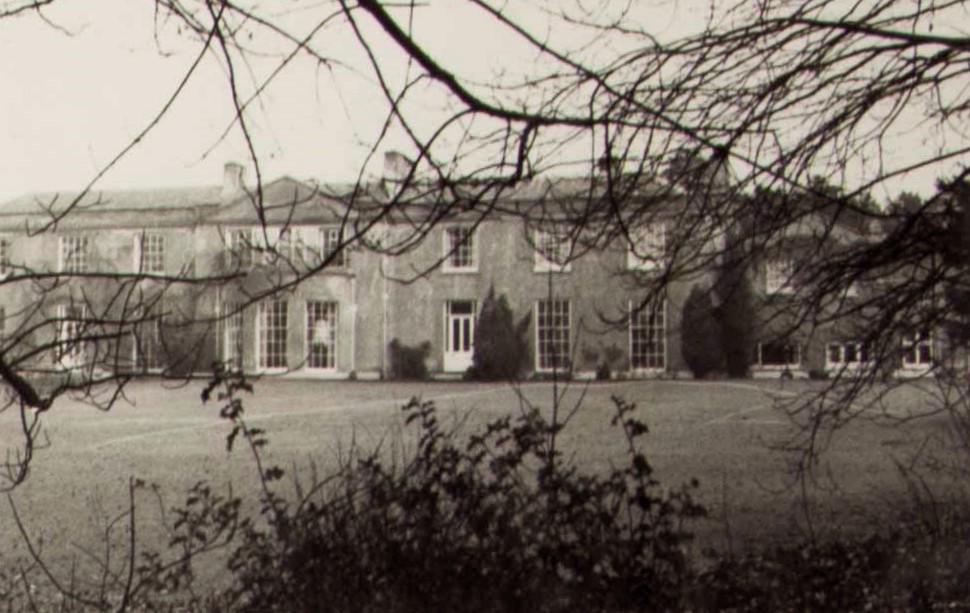


❷ – Radcliffe Lodge
Radcliffe Lodge Preparatory School & Kindergarten was established by Arthur Cecil Edwards and his wife, Susannah between 1922 and 1934. It was a day and boarding school for 40 boys. Following Arthur’s death, his wife ran the house as a nursing home. During WW2, it housed evacuees from London. After the war, it was sub-divided into several residences.
Go back to the main road, past the Manvers Arms pub and stop by Michon Design Studio.

❸ – School Cottage
This unassuming white cottage (up a private drive just visible behind Michon Design) was once the village’s first school house. 1818 Parish Registers show school master, John Mabbot living in Radcliffe. The first continuous school was supported by the dowager Countess Manvers from 1825. Founded to educate 21 poor children, from the 1840s it became a National School, teaching to the National Plan. This meant it was a Church of England school. One side was school room and the master’s house.
1866 log books show it first receiving a government grant. Average attendance rose from 50 pupils (1868) to 277 (1888). An 1850s newspaper advertised a school master’s salary of £40-60 annually with a rent-free house.
School inspectors are not new. In 1866, Her Majesty’s Inspectorate recorded “… very creditable work… considering the short time [John Demment] the Master has been in charge.” Further inspections found “the Master, who works single handed, deserves great credit for his work.” Less favourable reports in the following two years resulted in some hesitation in paying the government grant. That said, it was very challenging taking classes of up to 90 pupils (he often recorded incidents of disorder). It is now a private house so please respect the privacy of the inhabitants.


❹ – Michon / St Mary’s Church Hall
A new building was erected in front of the original school in 1870 and extended in 1876, replaced the first school. On Mr Demment’s departure in 1871, James Browne (from Cotgrave) was appointed permanently in 1875 after frequent changes in school master in the interim period. His wife, Sophie took the infants while James taught the older students. Her Majesty’s Inspectors reported good progress stating:
“The National Schools of Radcliffe on Trent are in a state of high efficiency. The mixed department is remarkably well taught throughout. Even the dull children have been made to pass a satisfactory examination, while the brighter scholars display much intelligence and accuracy in their writing.”
As the village grew, so did the school. By 1884, 350 pupils were on the books (with attendance averaging 150 to 200). Therefore pupil teachers (young apprentices not much older than the students) were required. The October 1881 log book notes several cases of Scarlett Fever. The outbreak caused the school’s closure for a month by the Sanitary Authority. In 1882 the death of a boy in “Standard 3” and pupils absence due to the disease closed the school again until May 8th.
The weather and child labour also detrimentally effected attendance. On June 26th 1879, the schoolroom flooded as the back playground was “imperfectly drained.” Today we have 6 weeks summer holidays, however as Radcliffe was an agricultural community, children had to help with such things as the harvest, as schooling was not compulsory until 1880. School attendance in today’s society has significantly improved.
A 1903 County Council report dammed the condition of the buildings; poor quality playgrounds, worn steps, broken windows and no connection to sewers or mains water. The Parish Council was approached, but the sheer cost to update the building was too much. The school was transferred to the County Council Education Committee on 30th September 1905 (rented at £50 per year) until a new school was built.
Mr Browne remained at the school until it closed its doors on 11th January 1909, moving to Bingham Road. It temporarily became the Pierrepont Institute for Adult Education before becoming a cinema, theatre, church hall and latterly being redeveloped into Michon design studio today.
Continue along Main Road and onto Shelford Road, stopping at the corner of Walnut Grove.


❺ – Walnut Grove
Vernon Cottage (the white cottages on Walnut Grove), known as Radcliffe on Trent Academy or Vernon House School was in operation from around 1851, run by Samuel Hemsley and his son, also named Samuel. By 1865, Samuel Cave Tomlinson was running the school. Today, the white cottages are private dwellings. A private school run by Miss Jackson opened in Walnut Grove around 1900.
Proceed up Shelford Road to 16 Shelford Road.
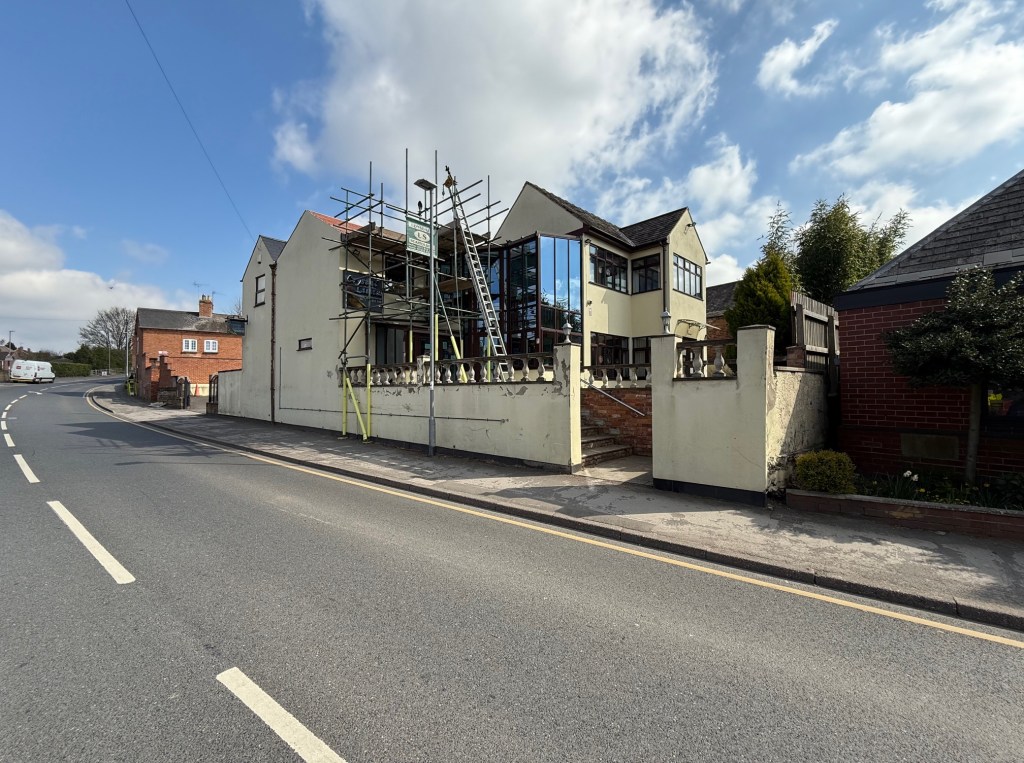

❻ – Crystal Lillies
Cedar House (now Crystal Lillies, 16 Shelford Road) was a short-lived school. By 1885/6 two sisters, Misses Robotham ran a small boarding and day school. The 1898 census, detailed the eight bedroomed building as having a schoolroom containing a piano, four maps, four desks, a coal box & shelves.
Return to Main Road and turn left. Continue along Main Road to Costa Coffee (corner of Walker’s Yard).
❼ – Walker’s Yard
In the early 19th century a dame school was run here by “Old Sally Morley” (exact place unknown). It provided the only opportunities for children to learn, though little is known of this.
Continue along Main Road. Turn right up Cropwell Road. Turn right onto the junior school drive.
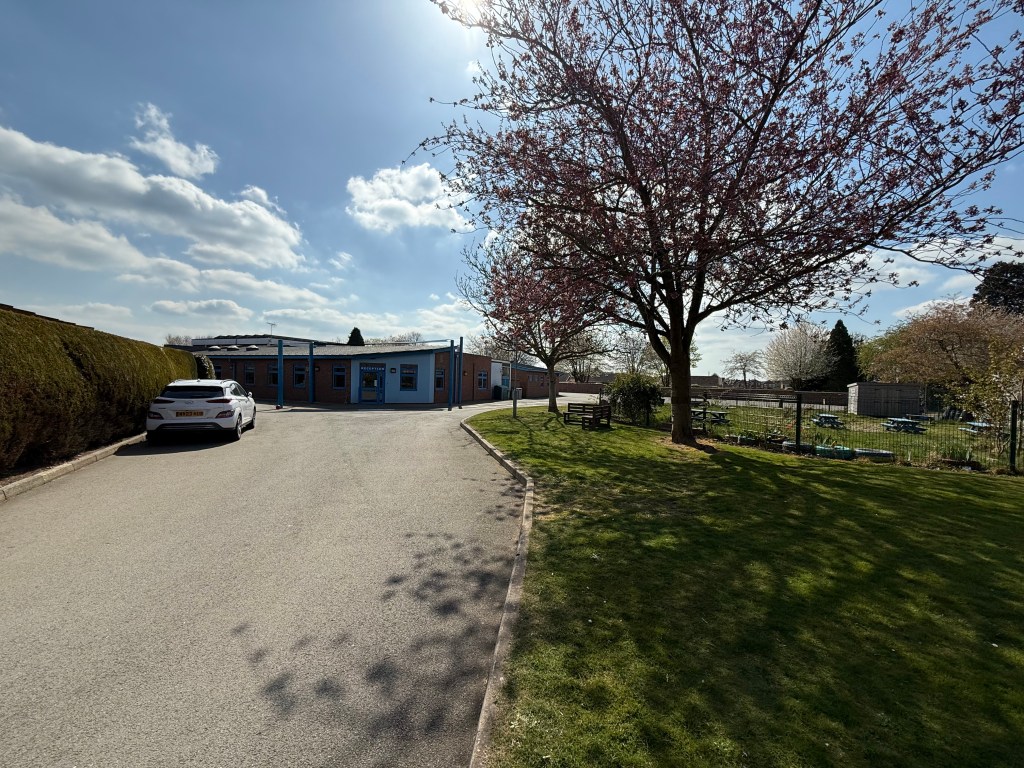
❽ – Radcliffe on Trent Junior School
Built in 1964, a clasp building for increasing numbers of pupils. Although some classes remained at the old building on Bingham Road (known as the Annexe), as numbers fell, all teaching was moved here. The old site was finally vacated and sold for development. As numbers surged again, modular classrooms have been built to increase capacity.
Return down the school drive. Turn right on Cropwell Road and then left on Glebe Lane.


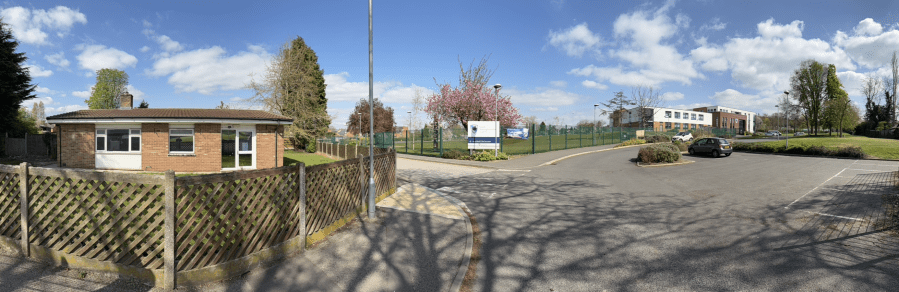




❾ – Glebe Lane – South Notts Academy
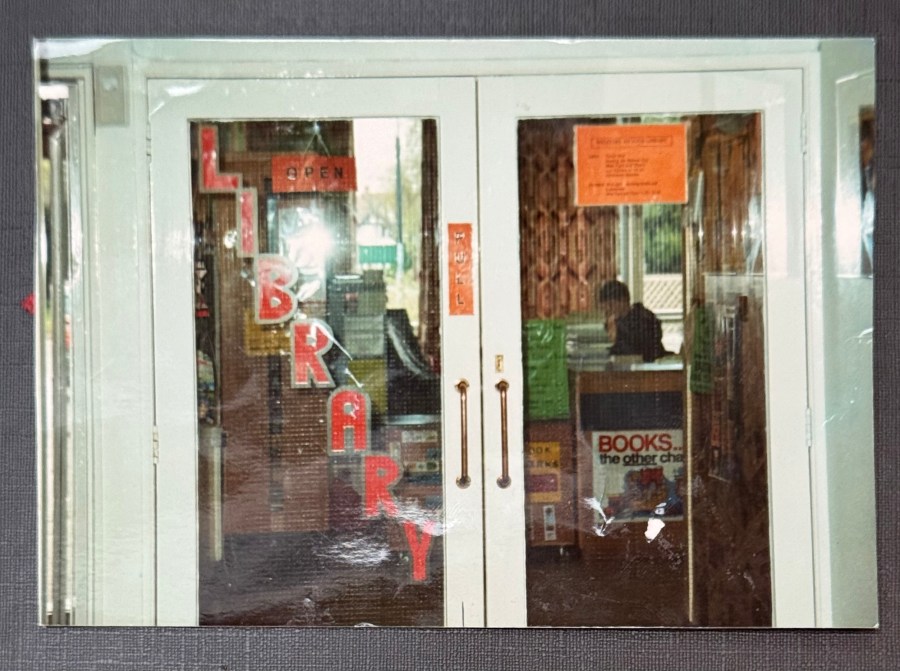
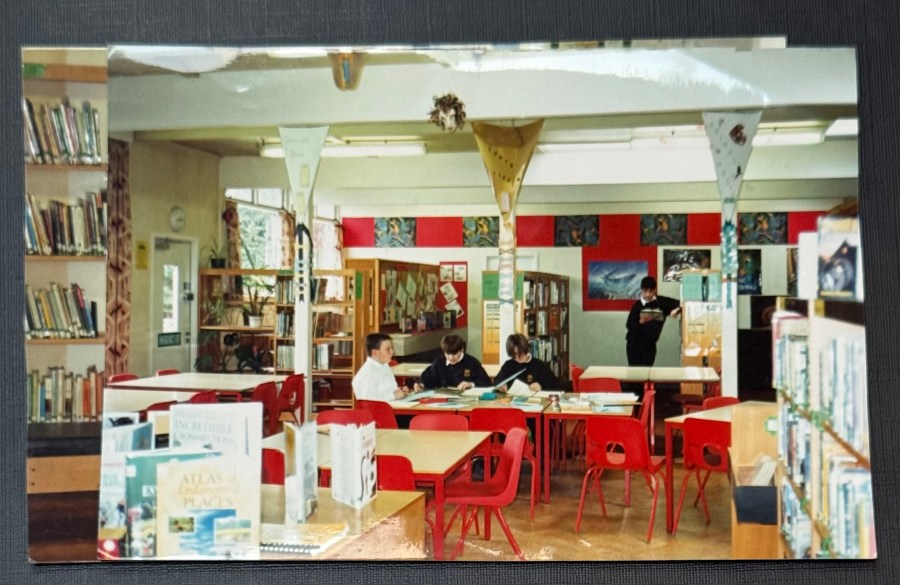
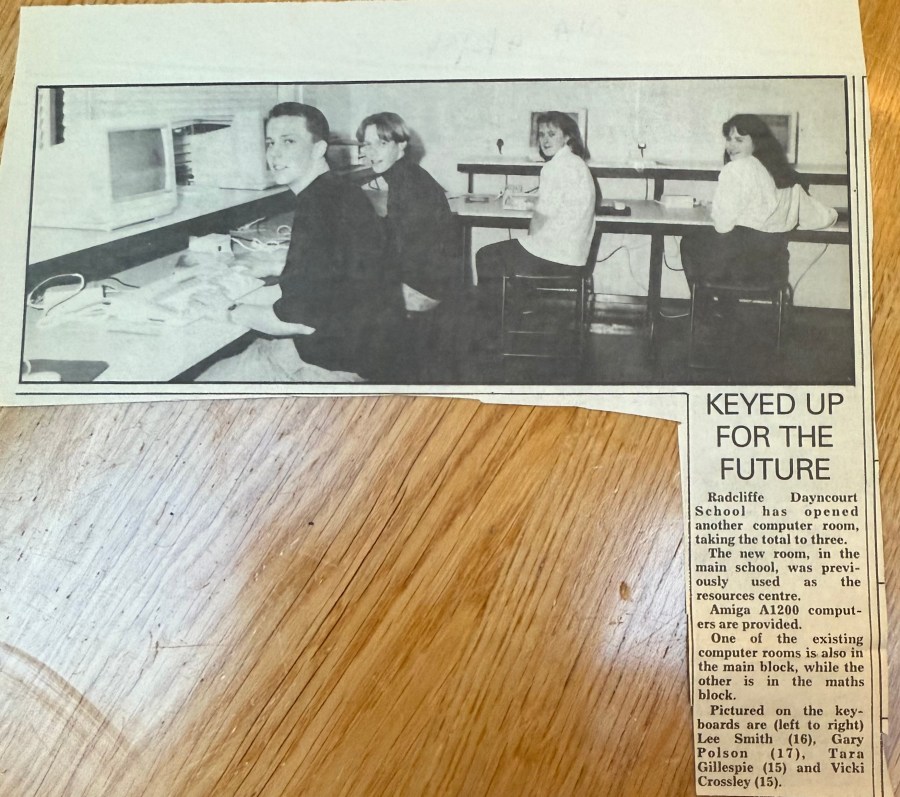
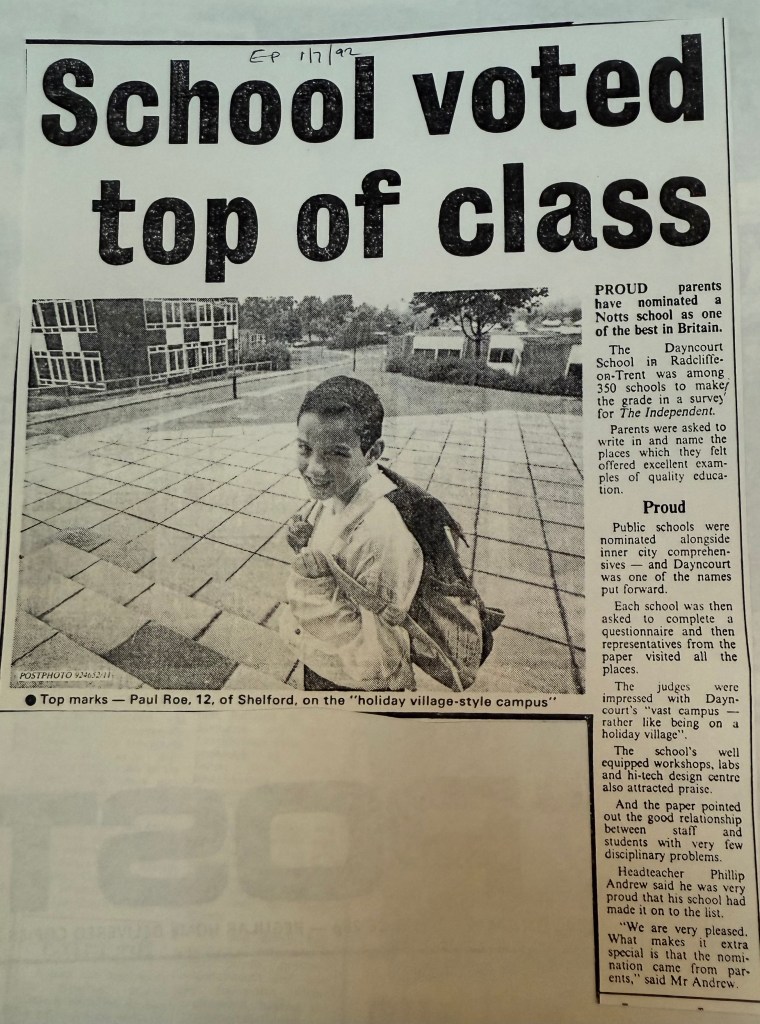
In 1956 a secondary modern school opened with headteacher, Gordon Hubert Ford. In 1972 it became Dayncourt Comprehensive. New buildings were created including a main three storey “A Block” that was soon followed firstly by the Lower School Building, then the Sixth Form Block. To mark links to the Canadian estate, a totem pole was carved by Canadian student, Tim Barton, and erected outside the main entrance.
The school swelled in numbers from 200 to 1500 in 1979, serving neighbouring villages; Cotgrave and Shelford. Renamed South Nottinghamshire Academy in 2011, the old buildings were demolished to make way for the impressive new ones in 2016/17.
Return down Glebe Lane and Cropwell Road to the village centre. Turn right on Bingham Road and left on Lorne Grove; follow it to the large cream house near the end.


❿ – Lynton House, Lorne Grove
This was a private school run well into the 1960s. In 1936 it was advertised as a day school for 5-18 year olds, preparing boys for university, public schools or the forces. It accepted girls up to 9 years old. It is likely connected to a school run by Miss Worth & Miss Harrison from 1883 (unconfirmed).
Return down Lorne Grove Turn left on Bingham Road. Walk past the shops and turn right up Eastwood Road.


⓫ – South Notts Academy, Eastwood Road Entrance
This pedestrian entrance to the present South Notts Academy was also a main route onto the old school site. This was directly opposite the (now demolished)Lower School Building (housing Year 7 & 8 students).
The two storey, clasp building built around 1976 housed the modern foreign languages department upstairs, lower school science labs & home economic base. A variety of classrooms stemmed off a central double height library area and a canteen served with hot meals.
Return to Bingham Road and turn right. Stop at Number 74 (Beaconsfield Villas).

⓬ – Beaconsfield House
In 1899 Vernon School moved from Vernon House to Beaconsfield House, Bingham Road, continuing until at least 1908.
According to Wright’s Directory of 1915, Miss Ethel Spencer was by then in charge.
Go up Bingham Road to the infant school drive.
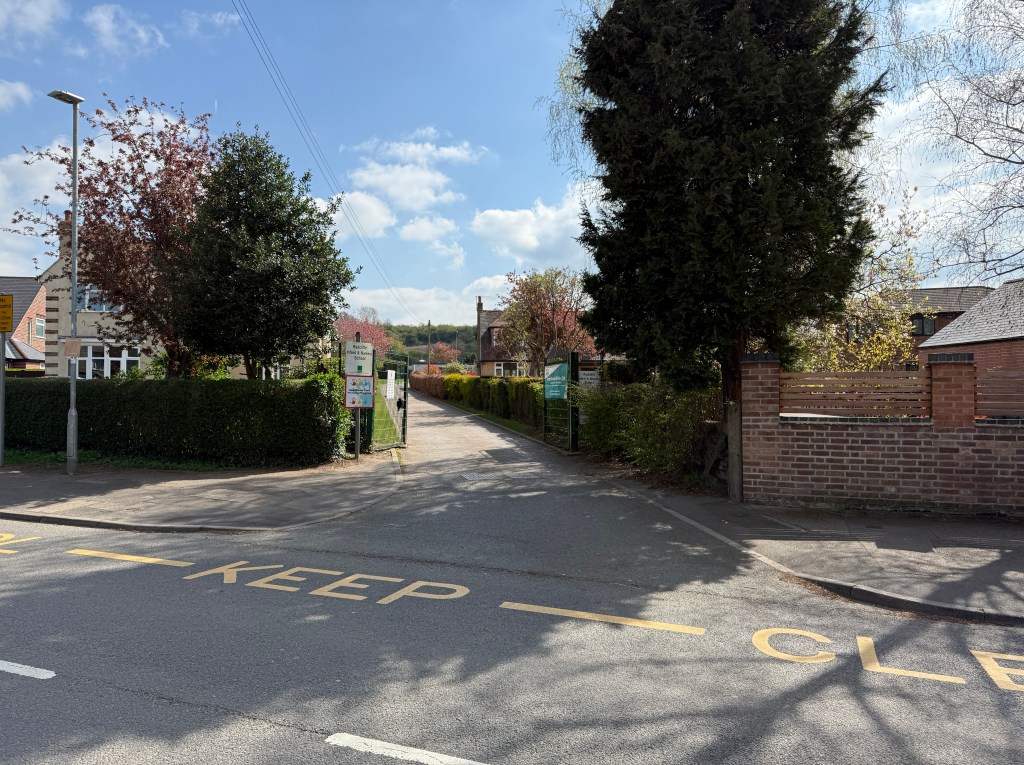
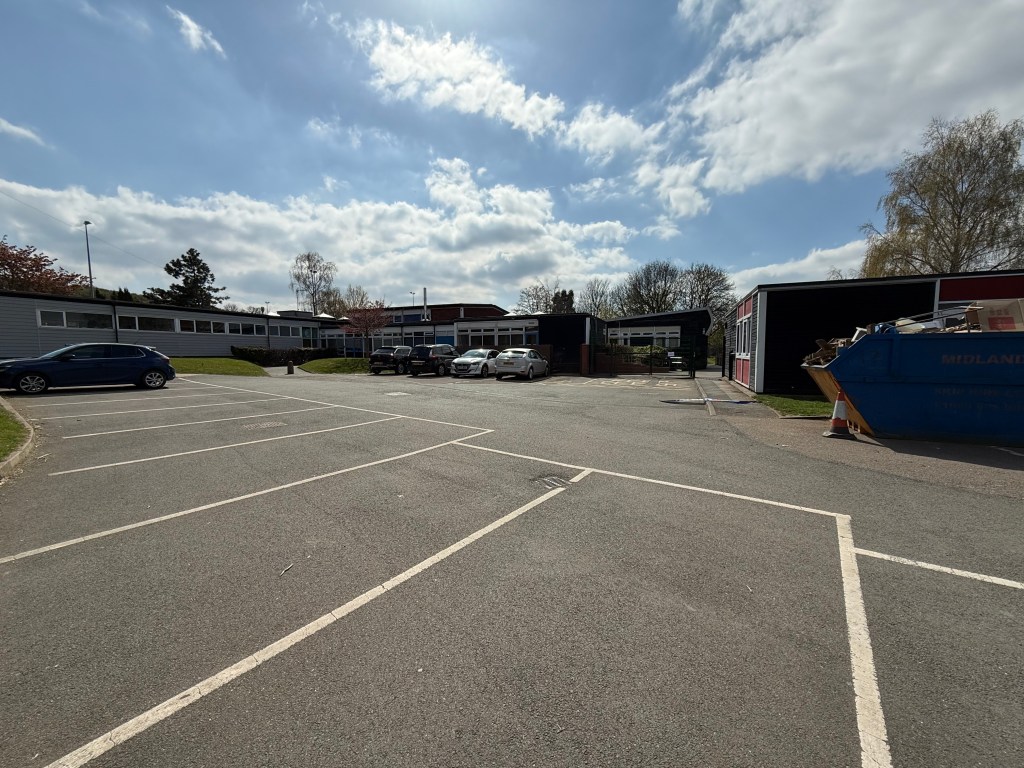
⓭ – Radcliffe on Trent Infants & Nursery
According to their website, Radcliffe on Trent Infant & Nursery was built in the 1950s, a 2001 OFSTED report cites the main building was built in the 1960s and the nursery block in the 1970s, however recent interviews identify students were first taught there in 1958.
Cross the road towards the metal arched railings of Brielen Court.




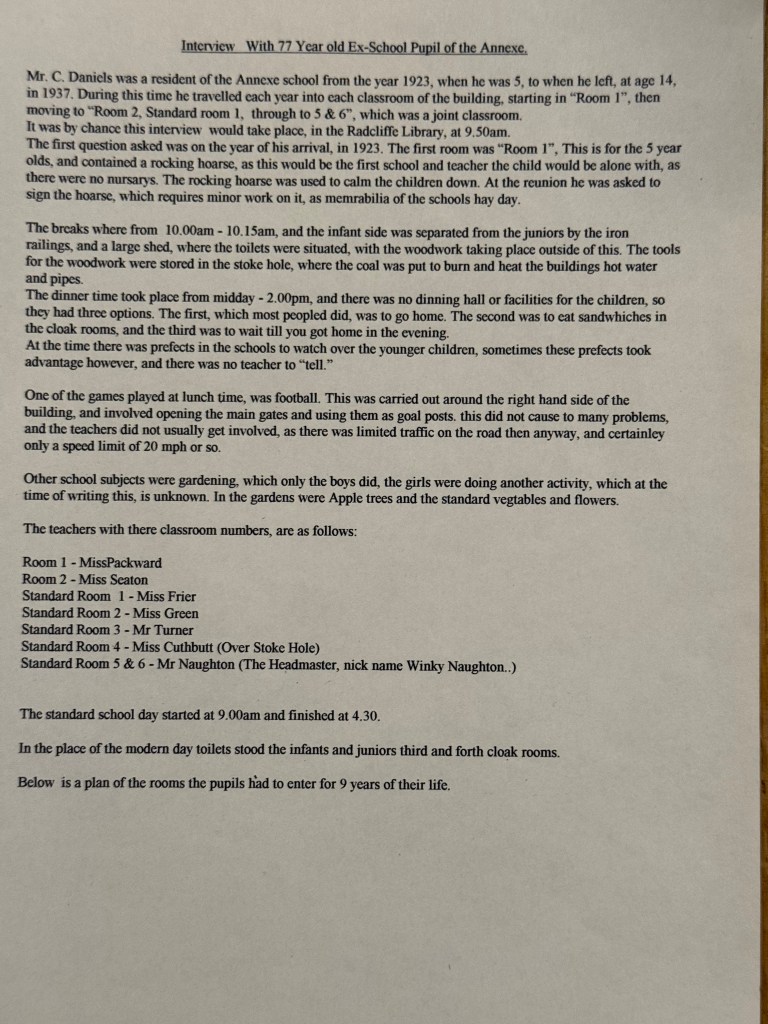

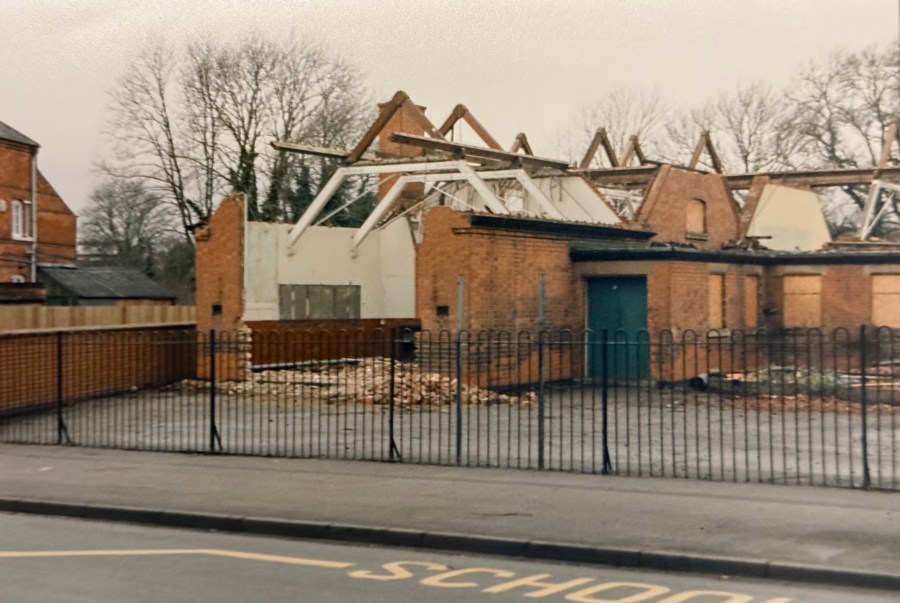
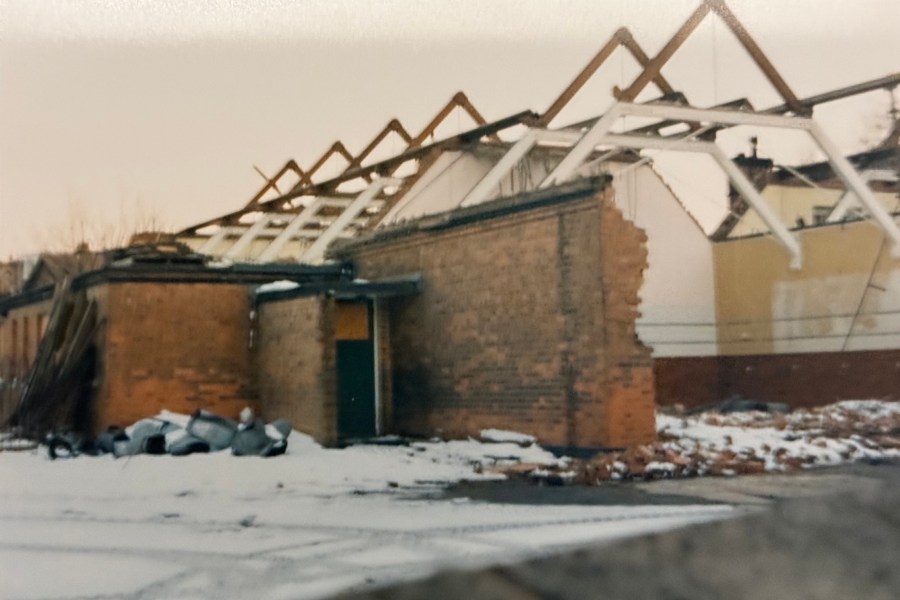


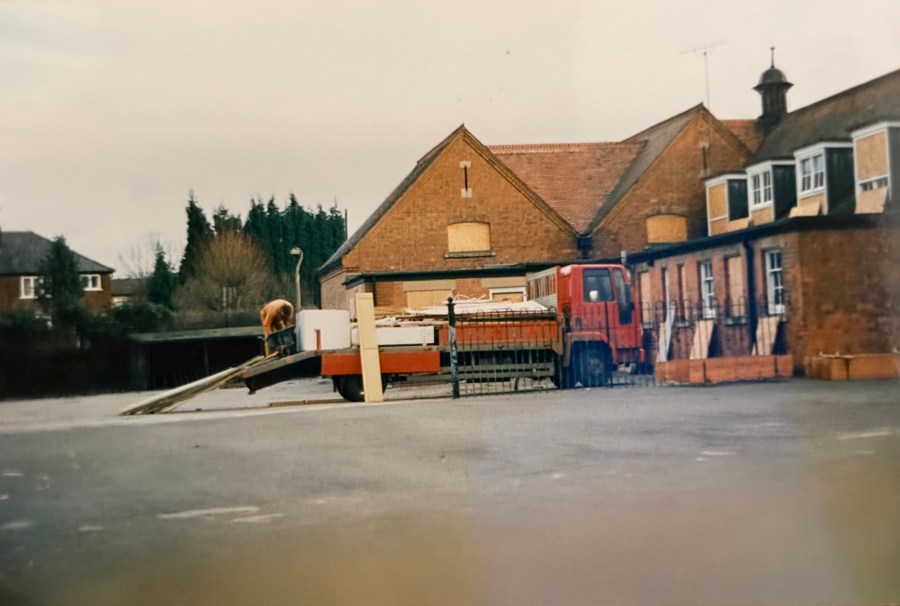
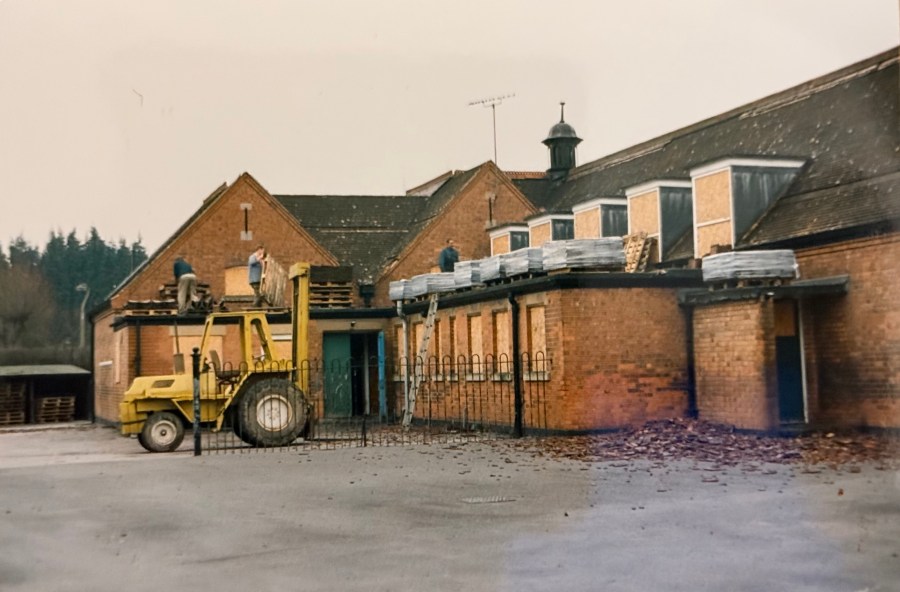


⓮ – Brielen Court Retirement Home
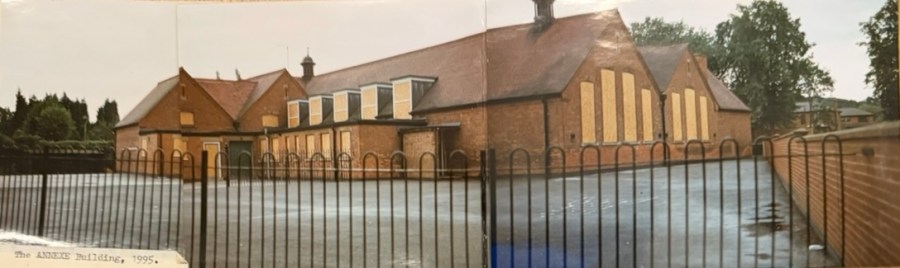
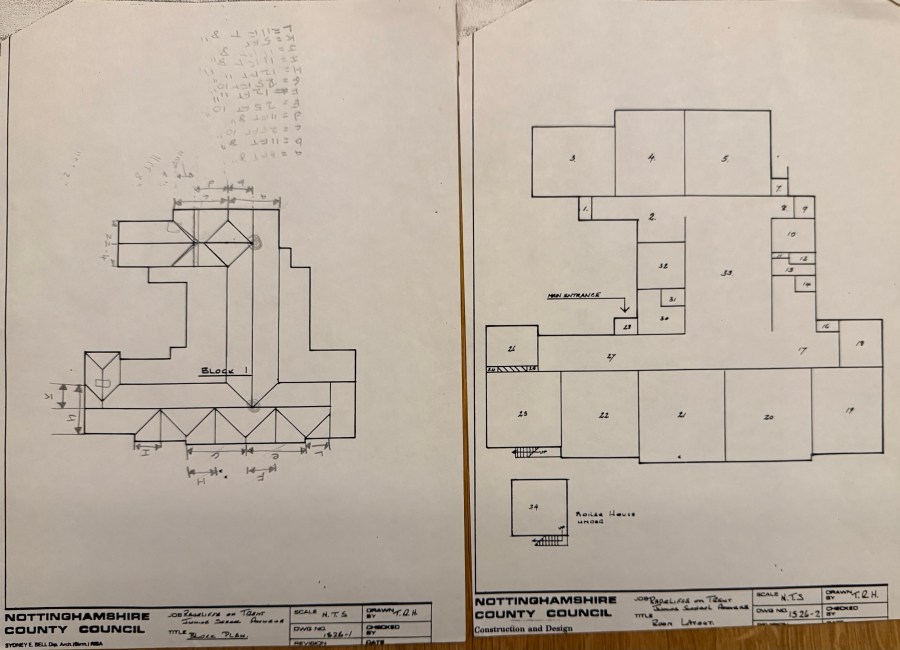
Now a retirement complex, the metal railings are all that remain of the building that replaced the school opposite the church. At a total cost of £5,450 3s 0d, the replacement was a long time coming due to many objections by villagers. An agreement with trustees of Perkins School (Barrow-on-Soar) led to the purchase of land on Bingham Road. Designed by Mr L. Maggs, children formally moved in and it opened on Friday 1st January 1909.
Built around a central hall, serving both infant and mixed departments, with separate entrances for each. It was a significant step up from its predecessor, having water heating, gas lighting and a spacious playground. Built to house 260 mixed department pupils and 160 infants, it served the village until its demolition in 1995.
Continue along Bingham Road to our final stop; Bingham Road Playing Fields.


⓯ – Bingham Road Playing Fields
We finish our walk at Bingham Road Playing Field that has been used for years. Owned by South Notts Academy, managed by ROTSA (Radcliffe on Trent Sports Association) and used by Radcliffe Olympic FC, it was first managed by Dayncourt Comprehensive School. As well as sports, it witnessed other activities including the history focused “Big Push,” a reenactment of World War 1 where students paraded through the village dressed in costume, learning from veterans of the hardship of war.
If you have any photos or memories of schooling in Radcliffe on Trent that you would be prepared to share, please get in touch.
Interview with Cliff Daniels, former student at Bingham Road School.
Interview about Astrid Griffin, former student at Radcliffe Secondary Modern.
Interview with Radcliffe School Reunion Group.
Interview with Miss Brown & Mr King, former teachers at Dayncourt
Interview with Mr Andrew, former Headteacher at Dayncourt
Interview with Mr Jones, Head of PE & Expressive Arts at Dayncourt
 Troy Jenkinson